



When it comes to sports-performance vision care, every single patient who sits in your exam chair could be considered an athlete. They may play sports recreationally, volunteer with their children during sporting events, or at the very least, drive a vehicle—which is heavily dependent on contrast sensitivity, just like any sport—but our job as eyecare professionals is to maximize and enhance their most vital sense (vision) because it is the eyes that lead the body. (One of my favorite verses from the Bible is Proverbs 29:18, “Where there is no vision, the people perish.”) In sports performance, vision neurocognition—how the eyes and brain work together for sports, also known as visual muscle memory—is crucial.
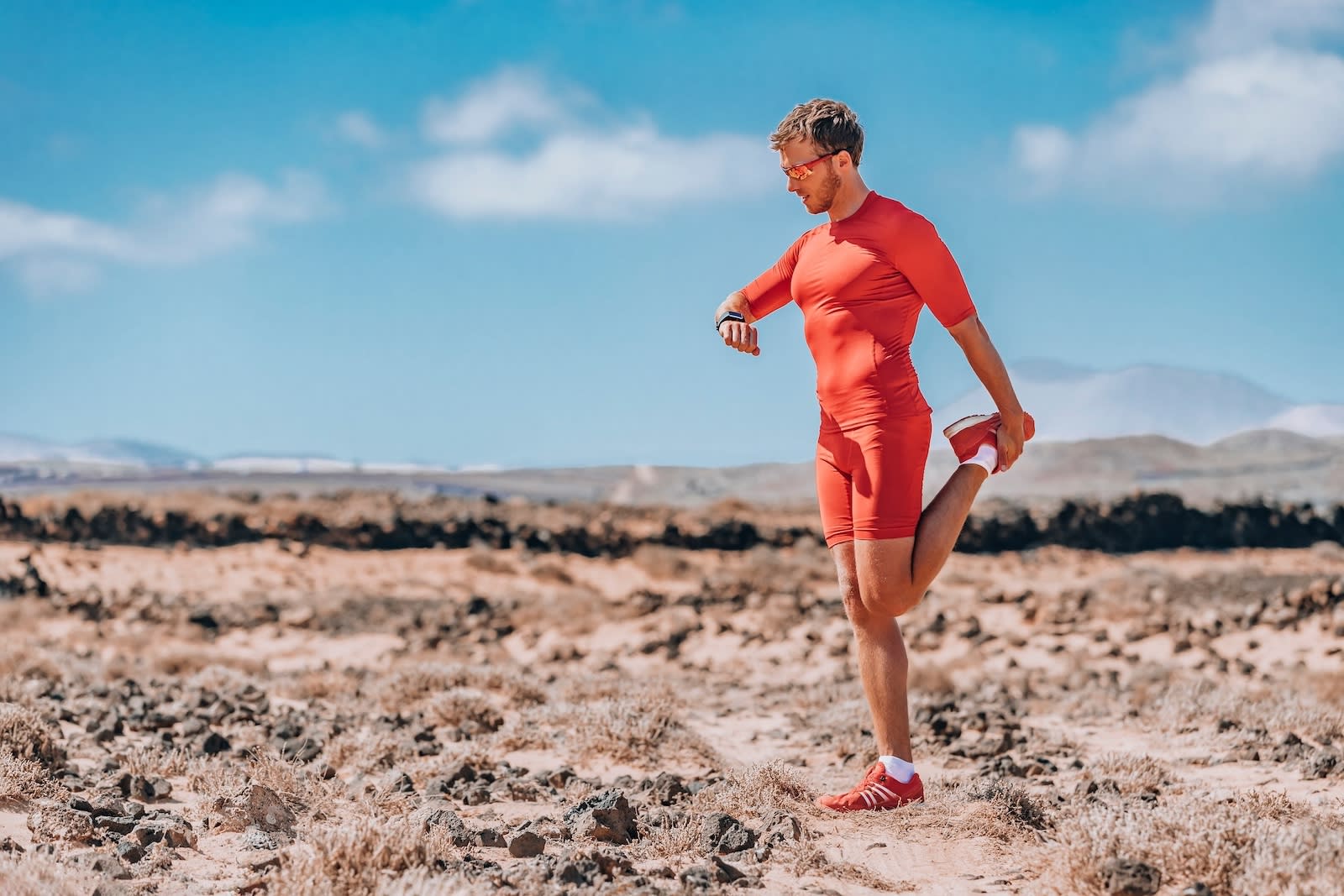
However, many athletes, coaches, athletic directors, and parents often overlook vision when an athlete is not performing at their best. Parents might invest in a more expensive bat, fancier sneakers, or a personal trainer in hopes their child performs better when the cause could be due to an undetected visual issue.
The 2 biggest issues many optometrists have is marketing and sales. To get a patient through the door, you must first market your services and what you have to offer. Then, to grow any particular niche of optometry, you need to have boots on the ground so they know who you are in the surrounding community. This would mean researching all the local elementary schools, high schools, and colleges near where you practice and introduce yourself via email, or in person if you are able, to the local coaches, athletic directors, and trainers. Often in these conversations, I ask them to imagine that their players are running a race. The top 3 finishers have 20/10 vision, the next 3 have 20/15, the next 3 have 20/20, and the 3 in last place have 20/25 or worse. Coaches know which of their athletes run the fastest and jump the highest, but when it comes to vision, they are typically clueless. Each sport requires a different set of visual tasks, but vision is usually an afterthought. Step into that needed role and let them know you are interested in giving their team a community-based sports performance eye exam at their school or at your office.
Every single optometry office can perform a basic sports vision exam. First, they need to determine a potential prescription, check for ocular disease, and perform baseline testing for ocular eye movements, eye alignment, and pupil size. In sports vision, an ECP can use basic low-cost devices such as Brock String, fixation sticks, or accommodation charts, while more advanced methods include devices that help with eye tracking. A basic exam enables ECPs to recommend what's best, whether that's a sports-specific contact lens, protective eyewear with polycarbonate lenses, or sunglasses with a specific tint that depends on which sport they play and the environment they play in. All of these options can improve both visual acuity and contrast sensitivity.

Athletes are typically concerned about their overall health, so nutrition and hydration also play key roles in sports vision. In the office, I take carotenoid scans to determine the quality of a patient's contrast sensitivity. The higher their score, the better glare recovery and anticipation timing they will have. Then I can prescribe particular supplements that consist of a combination of zeaxanthin and lutein, in addition to a high-quality fish oil, to help increase contrast sensitivity.
It is likely there is an athlete, perhaps a future Olympian, waiting for their ECP to step in and help their visual world. There is revenue opportunity in sports and entertainment, and we should consider how we can help our patients and our practices in this optometry niche that many overlook.
Vittorio Mena Jr., OD, MS, is the sports vision director at Optical Academy in Clifton, New Jersey, and is a fiduciary/financial coach with both investment and insurance licenses. He can be reached at menavitt@gmail.com.