


As Eyecare Business celebrates 40 years of chronicling the evolution of eyewear and eye care, few figures embody that evolution quite like designer and optician Selima Salaun. During the recent Eyewear Design Week in New York City, Selima Optique debuted Le Petit Musée de Lunettes—an intimate vintage eyewear museum and retail experience at Eyecon 2026. Curated from decades of Selima’s personal and archival collections, the museum offered a rare glimpse into the history of eyewear, from iconic maison pieces to adventurous, one-of-a-kind frames, alongside her current designs and celebrated collaborations with cultural icons like June Ambrose and Iris Apfel.
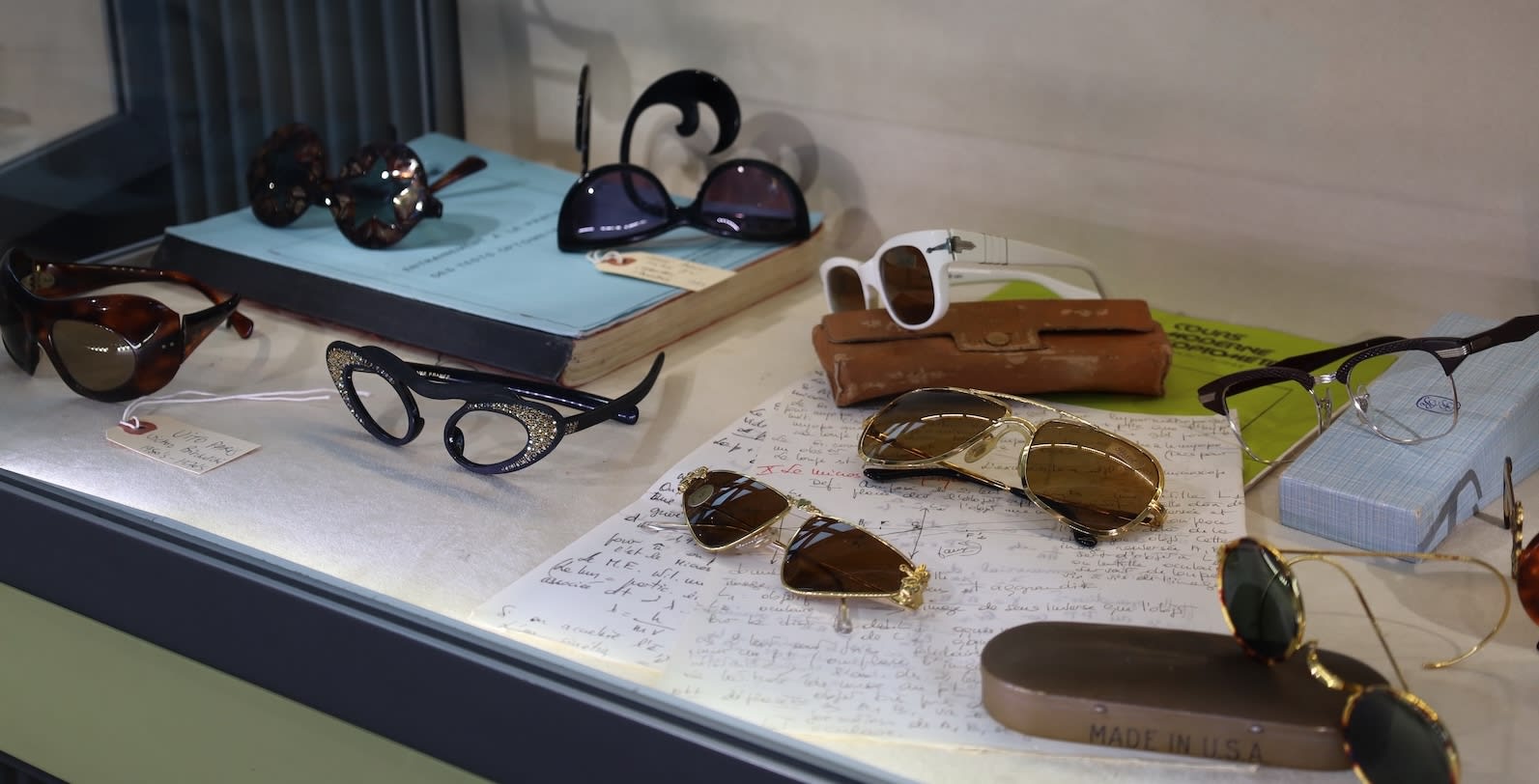
In this Q+A with EB, Selima reflects on the stories her archive tells about the transformation of eyewear from medical necessity to fashion statement, the broader cultural shifts that have influenced how we see and are seen, and what she believes the next decade of eyewear design holds—all through the lens of a career that bridges history, style, and personal expression.
This interview has been edited for length and clarity.
EB: Eyecare Business is celebrating 40 years of covering eyewear and eye care. When you look at your archive, what does it reveal about how eyewear—and the way we think about it—has changed over the past few decades?
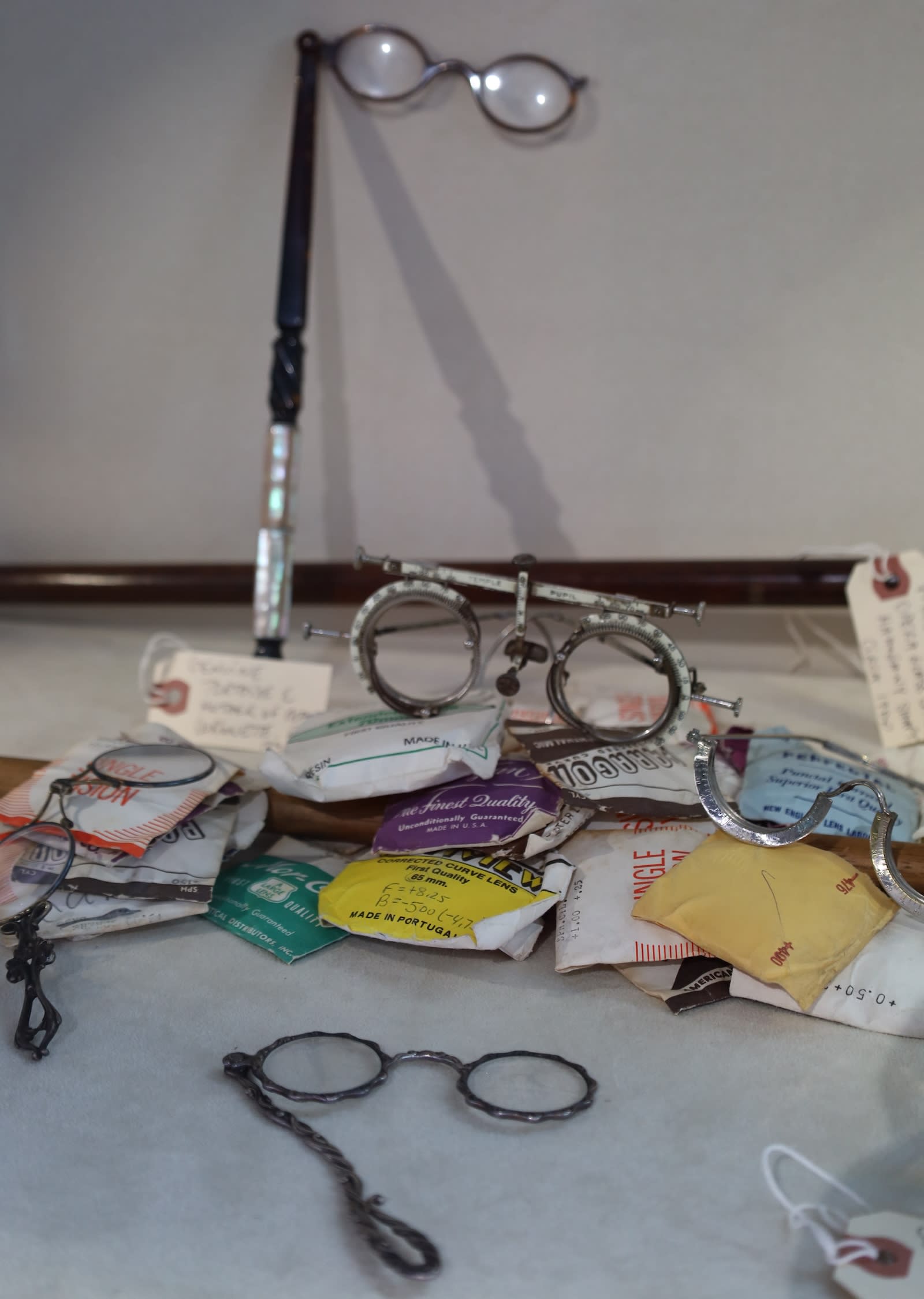
Salaun: Before being a designer, optometrist, or “entrepreneur”—I am, at heart, a lover of eyewear and fashion. So, my archive is almost a love letter to the entire history of the accessory and what it’s meant to different people, places, and periods of time. Looking at the collection, I think what stands out most is how eyewear has progressed from being a medical device into an expression of style. From 12th century quartz lenses (used by Chinese judges to hide their expressions) and Inuit snow goggles (used to protect the eyes from the sun’s glare off of snow), all the way to the birth of corrective lenses and Morez, France, becoming the capital of French eyewear (and where I studied optometry), the importance of eyewear has been a huge element of history, particularly as a practical or medical tool.
The transformation from utility to fashion has become magnified over the past decades. To me, what’s been most fascinating is how the 20th century pushed the boundaries of eyewear silhouettes and shapes. The cat-eyes and the wayfarers born in the ’50s and the oversized, architectural frames of the decades that followed. When I first began making eyewear myself in the early ’90s, it was because my friends in the French and New York cosmopolitan scenes wanted more color. So, I think the '90s, where the frames got smaller, is where you started feeling true color in eyewear. Since then, I think the accessory has continued becoming more fashion forward, and we’ve only continued to explore the possibilities of shape and color thanks to new designers and manufacturing possibilities. Of course, the annual trends follow fashion’s cycles, but you’re seeing this amazing variety of classic, timeless eyewear as well as adventurous, envelope-pushing design.
EB: Many of the frames in your collection are tied to specific eras or cultural moments. In your view, how has eyewear reflected broader shifts in fashion, media, and identity over the years?
Salaun: From the ’90s and 2000s until now, eyewear’s emergence as a fashion accessory has become tied to the seasonality of fashion trends. With the internet, fashion trends have become bigger and faster. Anyone, anywhere, can see a cool style from across the world online and decide they want to wear that, too, allowing them to take part in a trend that isn’t limited to their local environment. The downside is that the industry has responded by making cheaper pieces.
It’s this very interesting point in history where identity through fashion has expanded, allowing people to share in communities across time zones. But there are downsides, specifically when it comes to sustainability and the development of true personal style. Lately, with people talking more about thrifting, quality, and capsule wardrobes, we’re beginning to feel the shift away from that fast-fashion era. And the interest in high-quality eyewear reflects that because more and more people are beginning to want pieces that are designed to last and designed to fit their style forever.
EB: How do you think understanding the story behind a frame can change the way people value eyewear?
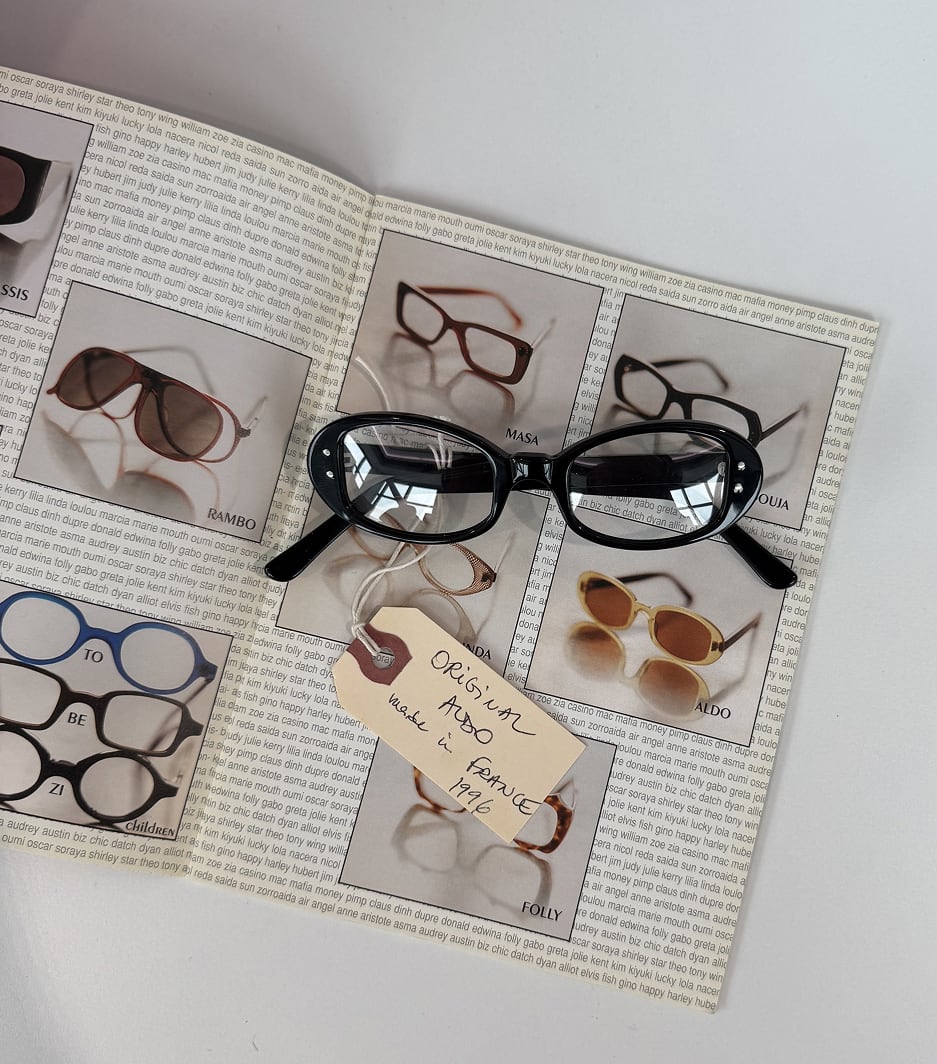
Salaun: You can appreciate a piece of eyewear in a vacuum, simply for its construction and aesthetic—but knowing the history can give you more perspective and make it mean so much more. Persol’s 714 is a beautiful, practical style on its own, but Steve McQueen turned it into a lifestyle. Malcolm X’s browline style from American Optical was already popular, but he fixed it in history as a marker of firm belief and intellectual depth. And our Aldo (pictured right) is timeless and elegant, but Carolyn Bessette-Kennedy made it into the capsule-wardrobe staple it is today. Eyewear is such a personal accessory and, as such, can mean so much more depending on its story.
EB: After studying eyewear history so closely, what do you think the next decade of design will prioritize?
Salaun: I think the next decade of eyewear design will follow the trending importance of personal style and how it translates into timelessness. As I mentioned, I think the era of fast fashion is dying; people are realizing how valuable it is to embrace their own personal style. People are thinking about sustainability and realizing that it’s better to invest in high-quality, durable pieces that you can wear more often and for longer. And a big part of that is finding staple pieces that you’ll still love incorporating into your wardrobe not just months from now but years from now. With eyewear in particular, an accessory that many people wear 365 days of the year, I think design is going to continue emphasizing quality and timelessness, moving away from the cheap short-term trends.
EB: In EB’s 2011 feature “From Dispenser to Designer,” you and other designers shared how experience in the dispensary informed your approach to eyewear design. How important do you think this kind of dispenser-to-designer journey has been in shaping eyewear over the years, do you find it to be an increasingly common story for ECPs, and have your methods changed at all?
Salaun: Inspiration comes in many shapes and sizes—from the Zika, which was inspired by Marcello Mastroianni in 8 1/2 to the Aldo, which was named after the postmodernist architect Aldo Rossi, and so on. If you look at the history of the brand and the vast majority of frames’ names, my biggest inspirations are my clients and friends. I think that grounding yourself in the root of eyewear as a dispenser lays a critical foundation for any designer, because it teaches you the core necessities of the accessory while giving you invaluable experience talking directly with eyewear wearers and enthusiasts. As eyewear becomes a bigger fashion accessory, being reminded of its origins is crucial. I regularly try to return to the dispensing side of things so that my design perspective remains grounded.